Chromate ash decontamination at a waste incineration plant, Krakow

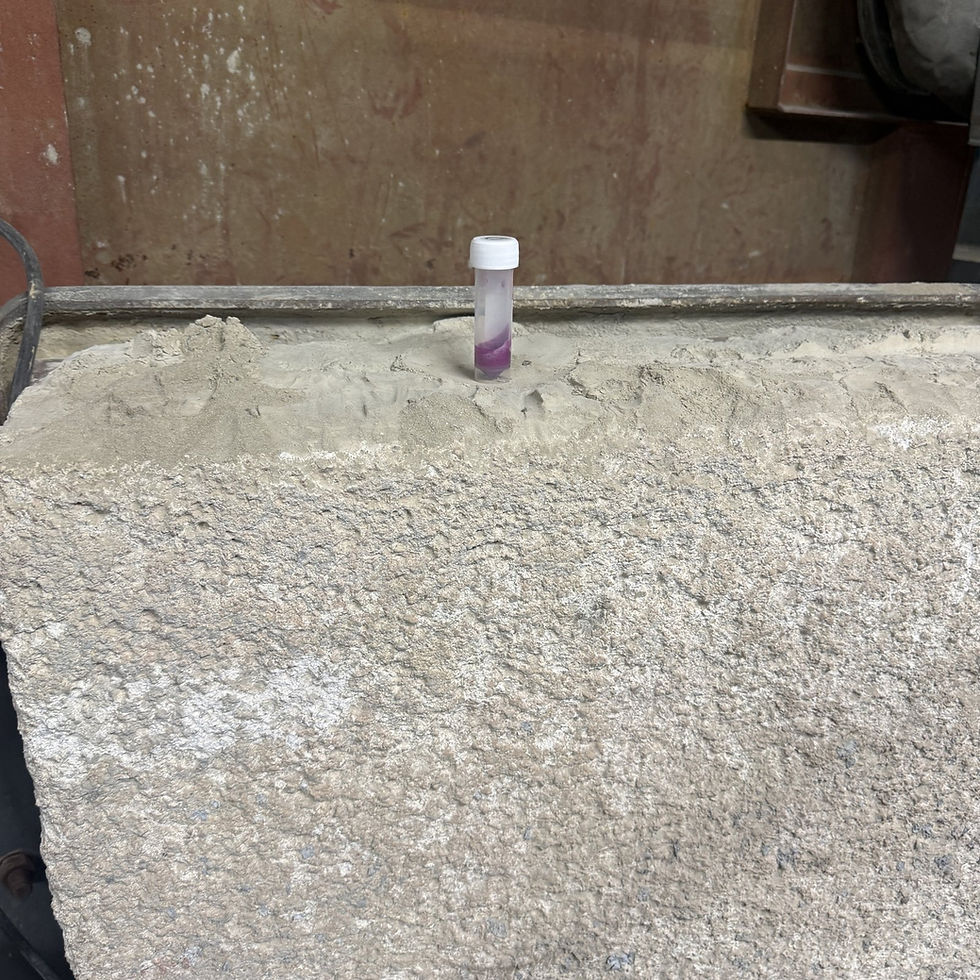
On two dates in August and September, the two incineration furnaces of a waste incineration plant in Krakow were decontaminated before the overhaul. The incineration ash contains chromium(VI) compounds. Wipe and floor samples on the checker plates of the scaffolding and at the furnace edge confirmed this; the quick tests turned purple.

The work had two goals. First, the carry-over of chromate-containing ash into adjacent, unprotected work areas was to be prevented. Second, the chromium(VI) compounds in the ash were to be converted to chromium(III) compounds by redox reduction in order to lower the hazard potential significantly; it is not eliminated completely by this. The agent used was the KavarClean® powder mixture dissolved in water, which as a dissolved mixture carries no CLP classification.
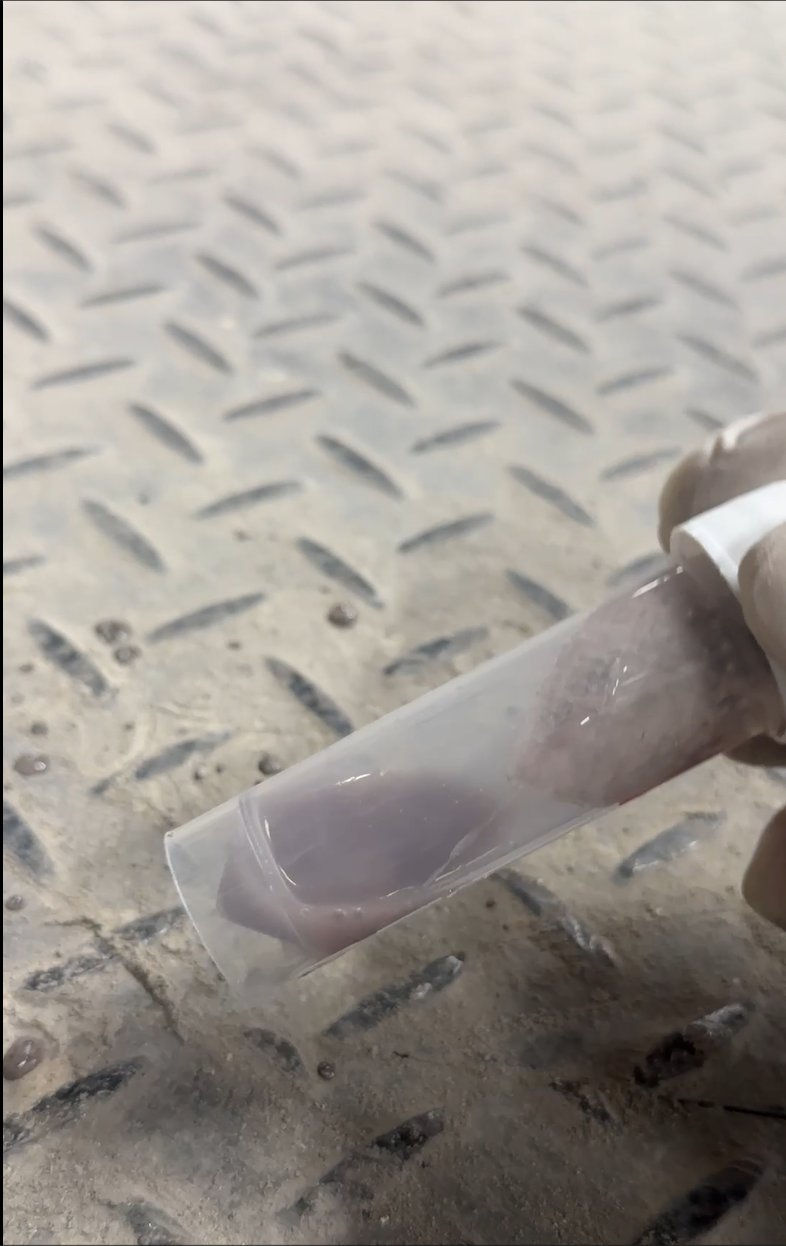
After scaffolding, walls, scaffold parts and floor were wetted over the whole area by aerosol spraying, from top to bottom and from back to front. The service life of the dust filters was exhausted after the wetting, so the work had to be interrupted. Before leaving the furnace and immediately afterwards outside, the crew was sprayed down with the reduction solution on an absorbent mat; helmets and full-face masks were chromate-reduced for further use. The bound dust was then swept up from top to bottom and from left to right, collected in sealable bags and wetted before and after being carried out. Dust pockets on the tops and at the inspection windows of the furnace doors were removed with simultaneous wetting. Low-value tools were disposed of, equipment provided on site was deep-cleaned, and the work area was handed over broom-clean.
The work area was zoned and cordoned off. Personal air measurements inside the furnace alone are not sufficient for the risk assessment; because of the ash's potential for turbulence and carry-over, the entire surroundings have to be assessed.

Comments